
Carzo Attorneys
Bucerías
LEGALTICA GUIDE
To live in Mexico for more than 180 days you need residency: temporary residency for up to four years, or permanent residency, which is indefinite. In most cases you apply at a Mexican consulate before you move, proving income (more than MXN 79,770.80 a month in 2026, about USD 4,250), savings, a family tie, a job offer or an investment, and then exchange the visa for a resident card at the National Migration Institute (INM) within 30 days of arriving.
The rest of Legaltica is in Spanish.
THE GUIDE · FULL READ
These amounts come from the visa guidelines of 25 July 2025, which set them in days of UMA (MXN 117.31 a day in 2026). Dollar figures use the European Central Bank rates of 23 October 2026; each consulate converts in its own way and publishes its own figure.
Tell a firm about your move in English: they receive your message and your phone number, and you see theirs straight away. It’s free and you’re not committing to anything. Languages are taken from each firm’s profile. Firms marked “Registered with Legaltica” manage their own profile.
Registered with Legaltica

MIGRALAW es una firma de abogados migratorios con sede en la colonia Granada (Av. Ejército Nacional 769, Piso 2) en Ciudad de México y presencia en Polanco, Condesa, Santa Fe, Pedregal y sedes en Monterrey, Guadalajara y Cancún. Sus áreas principales son trámites de visas, regularización migratoria y naturalización; además disponen de servicios para empresas y modalidades MigraDigital/MigraVIP. Las oficinas …
Registered with Legaltica
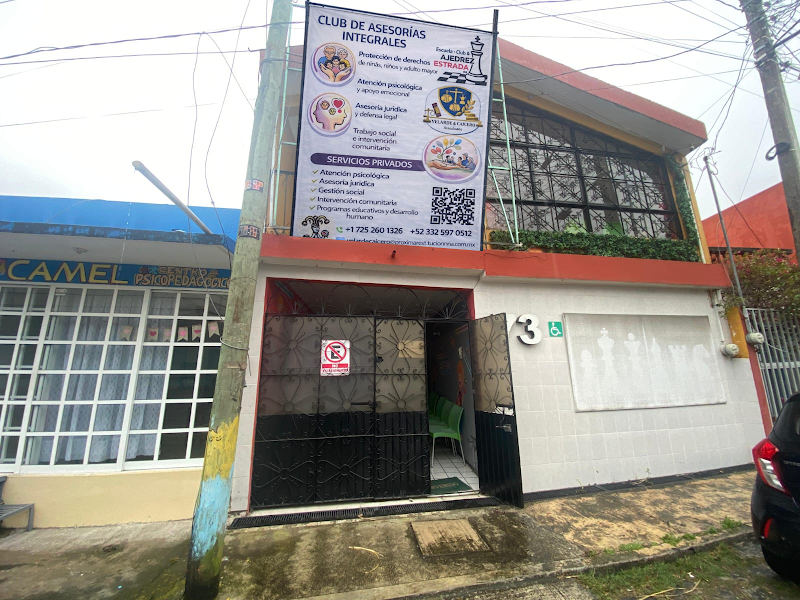
Velarde & Caicero Asociados S.A.S. DE C.V. es una firma legal con sede en la colonia Modelo de Xalapa (C. Cándido Aguilar 73) especializada en protección integral de derechos humanos: restitución de derechos de niñas, niños y adolescentes (NNA), protección jurídica de personas adultas mayores, derecho familiar, laboral, civil, mercantil y sucesorio.
Registered with Legaltica
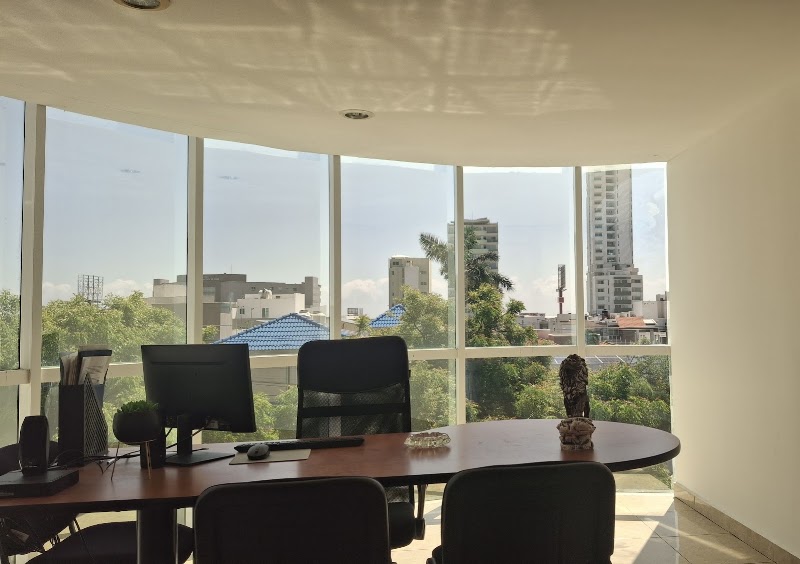
Quien necesita un abogado familiar, sucesorio, penal o constitucional en Boca del Río encontrará al abogado Alfredo Liceaga en el Fraccionamiento Costa de Oro. Atiende asuntos de divorcio, guarda y custodia, pensiones alimenticias, juicios sucesorios, defensa penal y amparos. Atiende de lunes a viernes 24 horas; sus clientes lo valoran con 5.0 sobre 5 en 23 reseñas. Es egresado de …
Example: a couple moving on one income, both on temporary residency for one year: two visas (MXN 1,981.58) + a full card (MXN 11,140.74) + the spouse’s card at 50% (MXN 5,570.37) = MXN 18,692.69, about USD 995, in government fees for the first year.
If you are in Mexico as a visitor and your spouse, partner, parent or child is Mexican or a legal resident, you can change status or regularise at the INM without leaving (Migration Law arts. 53 and 133). If your stay expired less than 60 days ago, or you have been doing activities your status doesn’t allow, you can ask to regularise, paying a fine of 20 to 100 days of UMA (MXN 2,346.20 to MXN 11,731) (arts. 134 and 146). Outside those cases you go back to a consulate abroad. The INM can’t detain you for coming forward to regularise (art. 136).
A consular refusal can be followed by a new, better documented application (Migration Law art. 43). An INM refusal must give reasons; you can appeal it within 15 working days (recurso de revisión) or go to the Federal Administrative Court within 30 working days, and if your card has already expired you get 20 to 30 days to leave, regularise or challenge it.
A lawyer earns the fee before you go to the consulate, when choosing the route is half the work, and in any procedure at the INM in Spanish. Typical cases:
Your income is close to the threshold or comes from freelance or remote work.
You are already in Mexico as a tourist and want to stay: only family ties or humanitarian grounds work from inside.
Your stay or card is about to expire: 30, 55 and 60-day windows decide whether you can fix it in Mexico.
You want to work for a Mexican company or invoice Mexican clients: work permits and the employer’s INM registration.
You are buying property or setting up a company.
A previous refusal, overstay, deportation or criminal record.
The firms below handle moves to Mexico and say they speak English.
MORE FIRMS
Bucerías

Playa del Carmen

Playa del Carmen
Ciudad de México
Puerto Peñasco

Tijuana

Tuxtla Gutiérrez

Mexicali
Zapopan
Showing 12 of 205 firms.
Apply for temporary or permanent residency at a Mexican consulate in the US, enter Mexico with the visa within 180 days, and get your resident card at the INM within 30 days of arriving. The most common route is temporary residency through economic solvency.
Visitors can be authorised to stay up to 180 days; the number written on your entry record is what counts. To live there longer you need temporary or permanent residency.
Only in specific cases, mainly a family tie with a Mexican or a legal resident, or humanitarian reasons. Otherwise you apply at a consulate abroad.
For temporary residency in 2026, more than MXN 79,770.80 a month net for six months or an average balance of MXN 1,344,372.60 over twelve months. For permanent residency as a retiree, more than MXN 133,733.40 a month or MXN 5,378,663.50 in savings. Add government fees of about MXN 12,000 per person for the first year.
Temporary residents need a work permit, linked to a job offer from a registered employer or to self-employment registered for tax. Permanent residents have permission to work.
Yes. Temporary and permanent residents can bring a spouse or partner, minor children and parents, if they show 220 days of UMA more (MXN 25,808.20) per person. Spouses of Mexicans don’t need to meet an income test.
In general after five years of legal residence, or two in some cases, such as marriage to a Mexican, Mexican children or being from Latin America, Spain or Portugal. If a parent is Mexican, you are Mexican by birth already.
GUIDES
FREE TOOLS (IN SPANISH)
This guide is general information, not legal advice. Rules and amounts change: check the official sources below or ask a lawyer about your own situation.